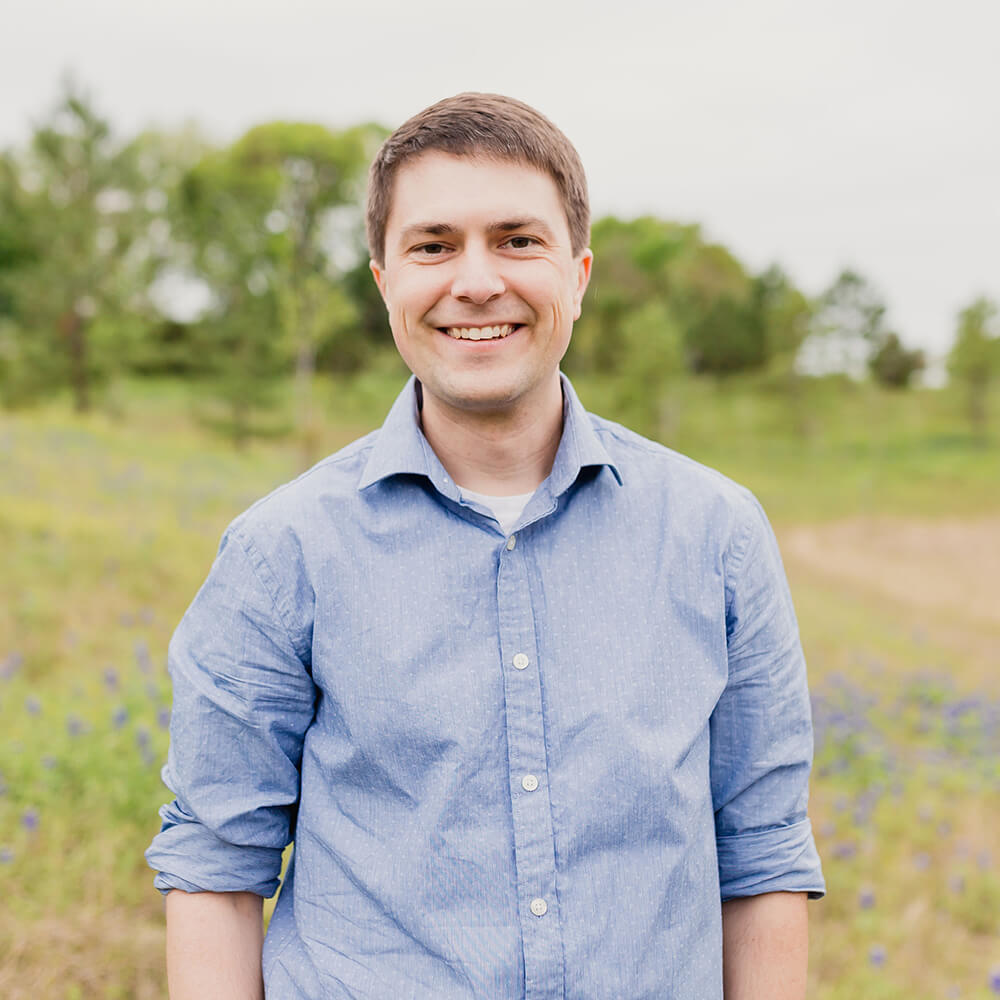
Matthew Moulton, Ph.D. is an Assistant Professor in the Department of Biology at Texas A&M University. Dr. Moulton's scientific journey began in high school while participating in a research internship program in a genetics lab that sparked his desire to pursue a career in genetics research. He completed his undergraduate degree at Brigham Young University where he conducted research with Michael Whiting using DNA to reconstruct evolutionary relationships among insects, which allowed him to travel to Peru and Papua New Guinea on research trips. He then went on to complete his Ph.D. in Human Genetics at the University of Utah under the mentorship of Anthea Letsou, studying the role of glycosyltransferases in modulating signaling pathways required for embryonic development. He carried out postdoctoral research in the lab of Hugo Bellen at Baylor College of Medicine where he began his investigations into mechanisms of lipid droplet production in response to oxidative stress in neurons.
Dr. Moulton's current research focuses on understanding genetic risk for neurodegenerative disorders including Alzheimer's disease (AD). Decades of AD research has led to the identification of key molecular players in the etiology and pathogenesis of the disease. However, despite tremendous efforts, few effective therapeutic options are available for AD patients. In an effort to identify gene candidates that might prove useful for therapeutic intervention, his lab seeks to better understand the molecular underpinnings of AD. Proper lipid generation and storage is critical for healthy brain function. While it is clear that under stress conditions, neurons produce lipids that are exported and endocytosed by glia to make lipid droplets (LDs), we do not know all of the genes involved in this neuron-to-glia shuttling of lipids. His lab is undertaking an effort to identify these genes and examine their role in LD formation and clearance of the neurotoxic molecule Aβ42, a protein fragment found in the AD brain. Aβ42 is lipophilic, and preliminary data suggests that it can be taken into glial cells through the same pathway used to uptake lipids which could promote its sequestration and/or degradation. Thus, the formation of LDs not only sequesters toxic species of lipids but also may aid the elimination of Aβ42, and therefore it is an important pathway to consider for the development of AD therapies.
Dr. Moulton has broad interests in understanding molecular mechanisms of neurological disease, and his work has helped delineate the mechanistic role of lipid droplet formation in neurodegenerative disorders like Alzheimer's disease as well as a novel disease associated with variants in SREBF2, a transcription factor that regulates lipid synthesis. He is a native of Salt Lake City, Utah and enjoys spending time with his wife and four sons.
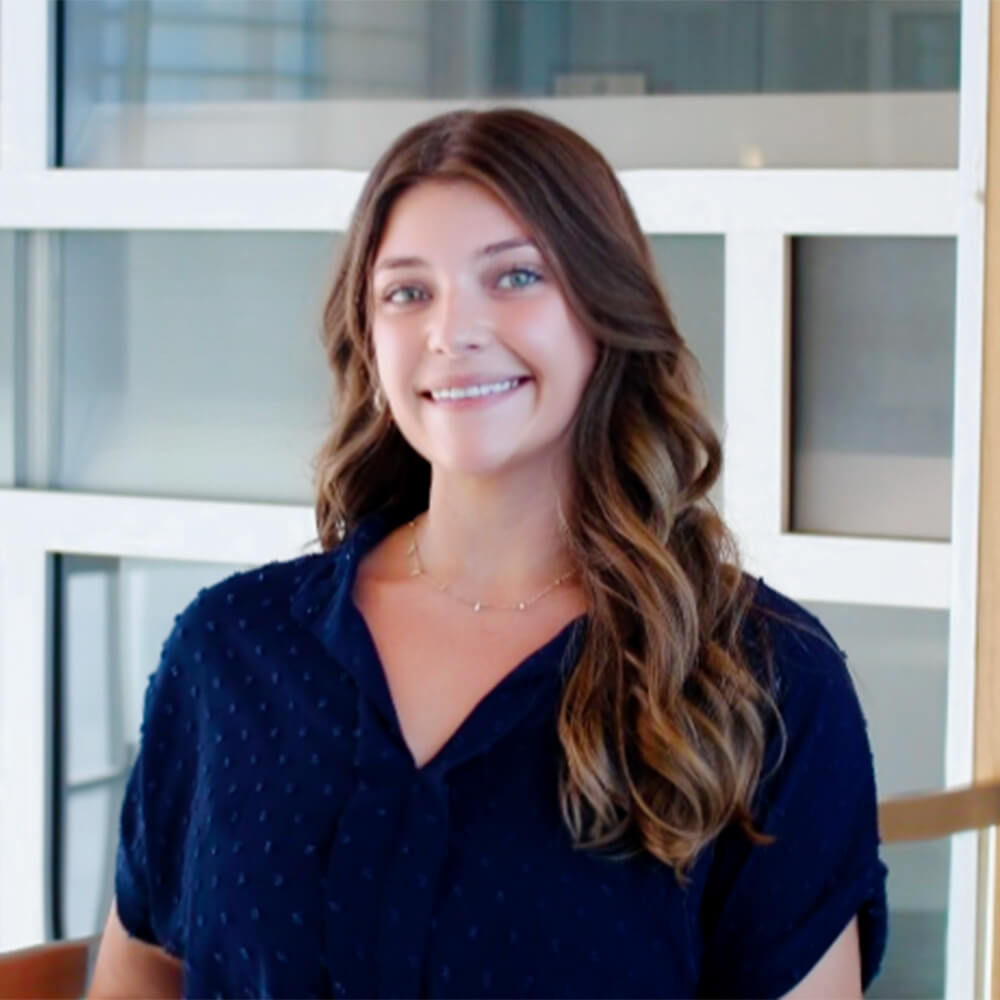
Alexis Breeland completed her undergraduate studies in the fall of 2022 at Texas Woman's University in Denton, Texas. She earned a Bachelor of Science degree with a double major in Biology and Psychology, a minor in Chemistry, and a Certificate in Biological Research. Throughout her undergraduate career, Alexis actively participated in research projects spanning both the Biology and Chemistry Departments. In the Biology Department, under the mentorship of Dr. Laura Hanson, she further explored possible links between Alzheimer's disease (AD) and herpesvirus infections, a relationship that has been determined by previous studies. Her project aimed to better understand this connection, specifically how cell stress impacts Cytomegalovirus' role in activating AD markers. Concurrently, in the Chemistry Department, she worked under Dr. Yunxiang Li on a project geared towards gaining a better understanding of the structure and molecular function of ATP synthase. The major goal of the project was to engineer an efficient method for ATP synthase purification and study heat stability associated with ATP synthase. Additional investigation was aimed at illustrating specific roles of ATP synthase in cell signaling given that human ATP synthase is related to neurodegeneration, aging, and cancer. Her contribution towards this project in the Li lab resulted in a publication in the Analytical Biochemistry Journal in November of 2024. Alexis had the opportunity to present her research projects in both the Chemistry and Biology departments at the Creative Arts Research Symposium hosted by Texas Woman's University.
In the fall of 2024, Alexis began pursuing her Ph.D. at Texas A&M University, where she joined the Moulton Lab. The lab focuses on understanding genetic risks for neurodegenerative disorders like AD and aims to uncover molecular mechanisms that could lead to new therapeutic strategies. A key area of their research involves identifying genes that regulate lipid droplet formation and their role in clearing neurotoxic molecules such as Aβ42, which is implicated in AD pathology. Alexis' current project focuses on examining genetic variants across AD risk genes to determine their molecular role in disease manifestation and progression. Growing up in Houston, Texas, she discovered a keenness for science at a young age, inspiring her journey into the field. She is passionate about understanding Alzheimer's disease and other neurodegenerative conditions, which remains a central theme in her academic and professional aspirations.
Alexis has diverse interests spanning molecular biology, neurobiology, and genetics. She is enthusiastic about engaging with the Texas A&M community through clubs and organizations. Following the completion of her Ph.D., she plans to further her academic journey by pursuing a career in academia. Outside of her professional endeavors, she enjoys spending time with her family, contributing time to volunteer efforts, and exploring the outdoors.

David is a Ph.D. student in the Department of Biology at Texas A&M University. His interest in understanding the role of glial lipid droplets in ROS neurodegeneration created his enthusiasm for joining the lab in the spring of 2025. He earned his B.Sc. in Microbiology from the University of Lagos, Nigeria. His undergraduate thesis explored the lignocellulose bioconversion potential of termite hindgut bacteria. The exploration of termite hindgut bacteria for lignocellulose bioconversion offers promising insights and applications for industrial processes, especially in biofuel production and waste management. He was then inspired to study Biology for his Master's degree at Georgia State University, where he carried out his research project on the effect of Reactive Oxygen Species (ROS) on Zika virus replication.
In neurodegenerative diseases like Alzheimer's and Parkinson's, ROS exacerbate the aggregation of misfolded proteins such as Amyloid-beta (Aβ) and tau. These aggregates impair cellular functions and trigger lipid dysregulation, DNA damage in neurons, and the activation of microglia. His investigation into the role of lipid droplets via the expression of mutant and wild-type fly orthologs of human genes such as ABCA7 (the ATP-binding cassette subfamily A member 7) variants will help us better understand the mechanisms underlying neuronal health and disease.
In his free time, David enjoys playing the piano, listening to jazz music, reading, and spending time outdoors.
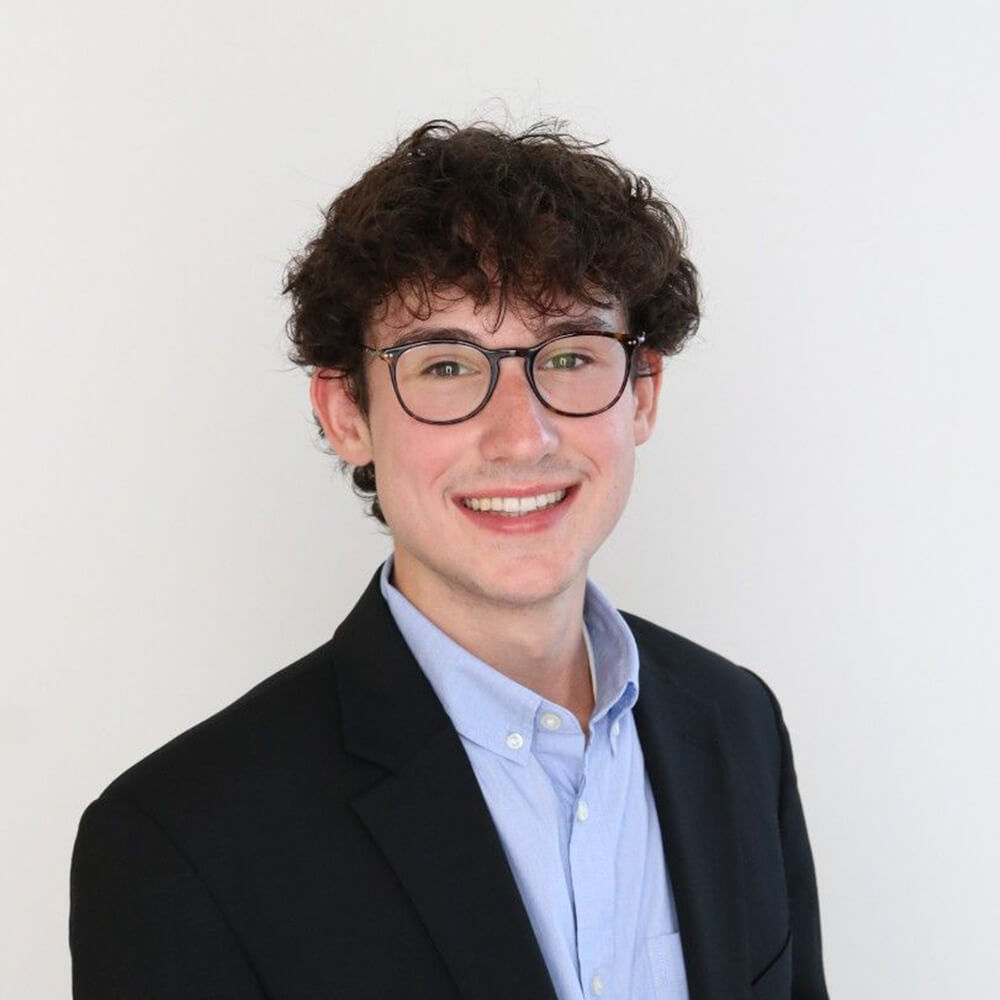
PJ is a Master's student in Biomedical Sciences from Southlake, Texas. He joined the lab in January 2025 and is currently studying and characterizing the novel Alzheimer's disease loci identified in a multiancestral genome-wide association study. His work involves acquiring and generating Drosophila transgenes to investigate the behavioral and physiological effects of each gene. PJ plans to attend medical school and aspires to become an endocrine physician. Outside of the lab, he plays for the Men's Club Volleyball team and enjoys golfing and spending quality time with friends and family.
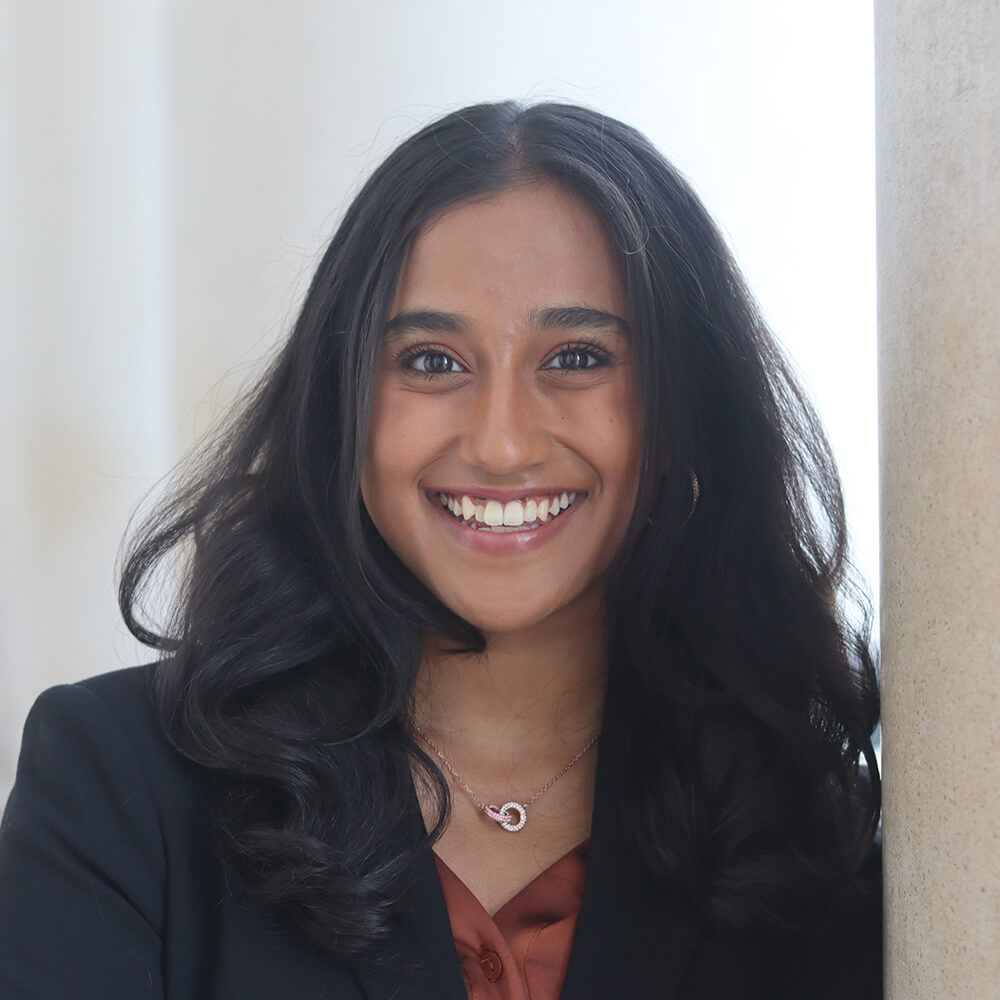
Shreya is an undergraduate Molecular & Cellular Biology major from Denver, Colorado. She joined the lab in January 2025 and works with Alexis to study the effects of the APOE3 and APOE4 gene variants on lipid droplet production and neurodegeneration. In her free time, she enjoys trying different cuisines, binging TV shows, and practicing Indian classical dance.
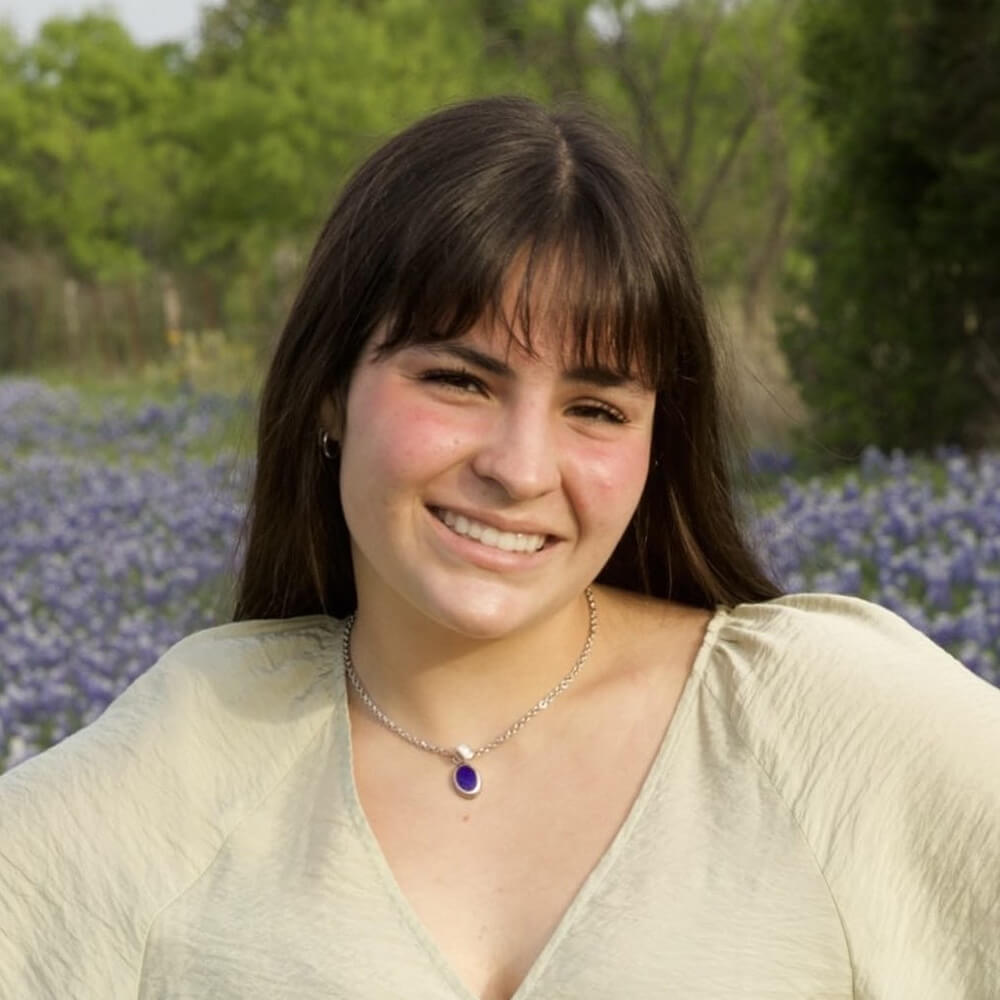
Riley Marti is an undergraduate Biology major with a minor in Psychology from San Antonio, Texas. She joined the lab in August 2025 to study the genetic factors underlying neurodegenerative diseases. Working alongside PJ, Riley investigates the behavioral and physiological impacts of genes associated with Alzheimer's disease by generating Drosophila transgenic models. She aspires to complete a Master's program in Genetic Counseling. In her free time, Riley enjoys hiking, cycling, and playing the viola with the Texas A&M Philharmonic Orchestra.

Arjun Singh is an undergraduate Neuroscience MCB major from Houston, Texas. He joined the lab in August 2025 to study the role of glial lipid droplets and reactive oxygen species in neurodegeneration. Working alongside David, Arjun supports the project by generating and maintaining fly lines and assisting with the collection and organization of behavioral and physiological readouts. He aspires to become a physician. In his free time, Arjun enjoys listening to music, lifting, hooping, and playing squash.
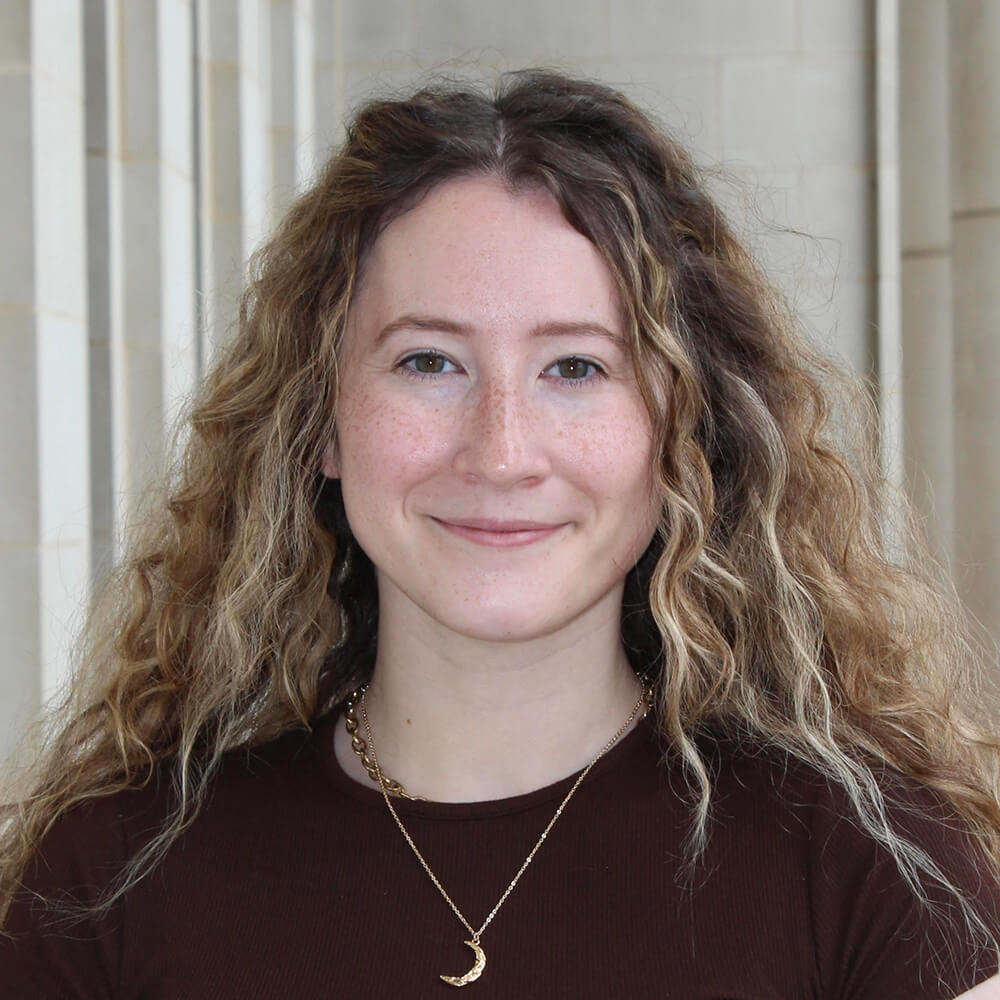
Carlie is a Ph.D. student in the Biology Department at Texas A&M University. She earned her B.S. in Zoology with a minor in Chemistry from Weber State University. While there, she was an undergraduate researcher in Brian Chung's lab where she investigated salinity-induced stress responses in Paranemertes peregrina (ribbon worms). After graduating, she joined Justin Bosch's lab at the University of Utah as a lab technician where her research focused on identifying novel protein-protein interactions using AlphaFold and in vivo assays in Drosophila. These research experiences shaped her interests in human genetics, ecology, and evolutionary biology.
In the Moulton Lab, Carlie's projects investigate the evolution of genes associated with Alzheimer's disease (AD), including those involved in the lipid droplet pathway. Her first project explores what APOE variants may confer differential susceptibility to AD between humans and non-human primates. Her second project aims to better understand the functions of tau protein and the role of its phosphorylation in both normal physiology and pathological contexts.
After graduating, Carlie plans to pursue a career in academia, where she can continue her passion for research and teaching. Outside of the lab, she enjoys spending time with her family, playing with her dogs and birds, kayaking, and traveling.
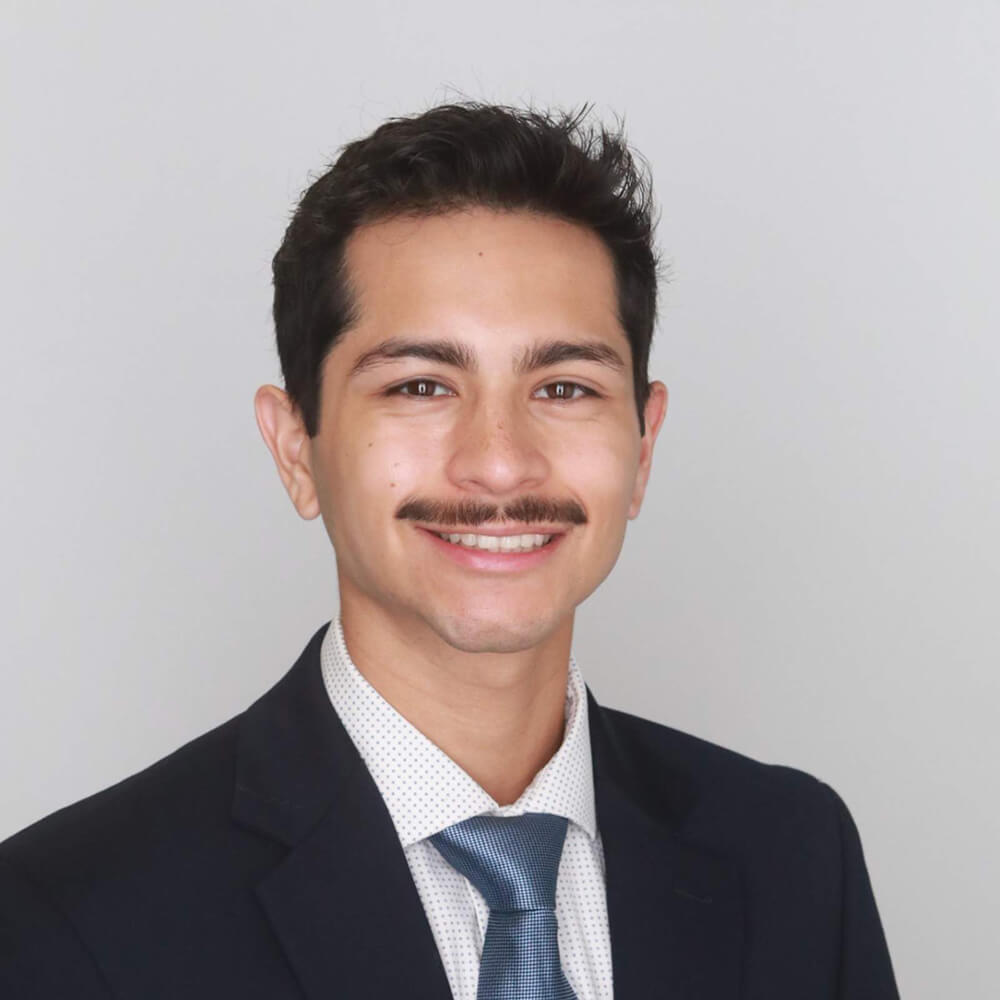
Christian is a Laboratory Technician in the Moulton Lab from College Station, Texas. His interest in the molecular mechanisms of neurodegenerative diseases and the use of genetic techniques in Drosophila led to him joining the lab in the spring of 2025. He is currently focused on investigating genes identified in a genetic screen in order to better understand their role in neurodegenerative diseases such as Alzheimer's. Christian graduated from Texas A&M in 2024 with a Bachelor of Science degree concentrated in Allied Health. During his undergraduate studies, he gained hands-on research experience by assisting and leading fatigue sessions for the Reichman Lab in the Department of Kinesiology. Christian also worked as a Medical Assistant during his time at Texas A&M, giving him valuable experiences serving the community and solidifying his interest in pursuing a career in medicine.
Christian plans on attending medical school in hopes of becoming a physician. By working in the Moulton Lab, Christian believes he will continue to gain relevant knowledge he will use as a medical student and physician in the future. In his free time, Christian enjoys participating in sports, creating leather goods, and cooking new dishes while spending time with his family and dogs.
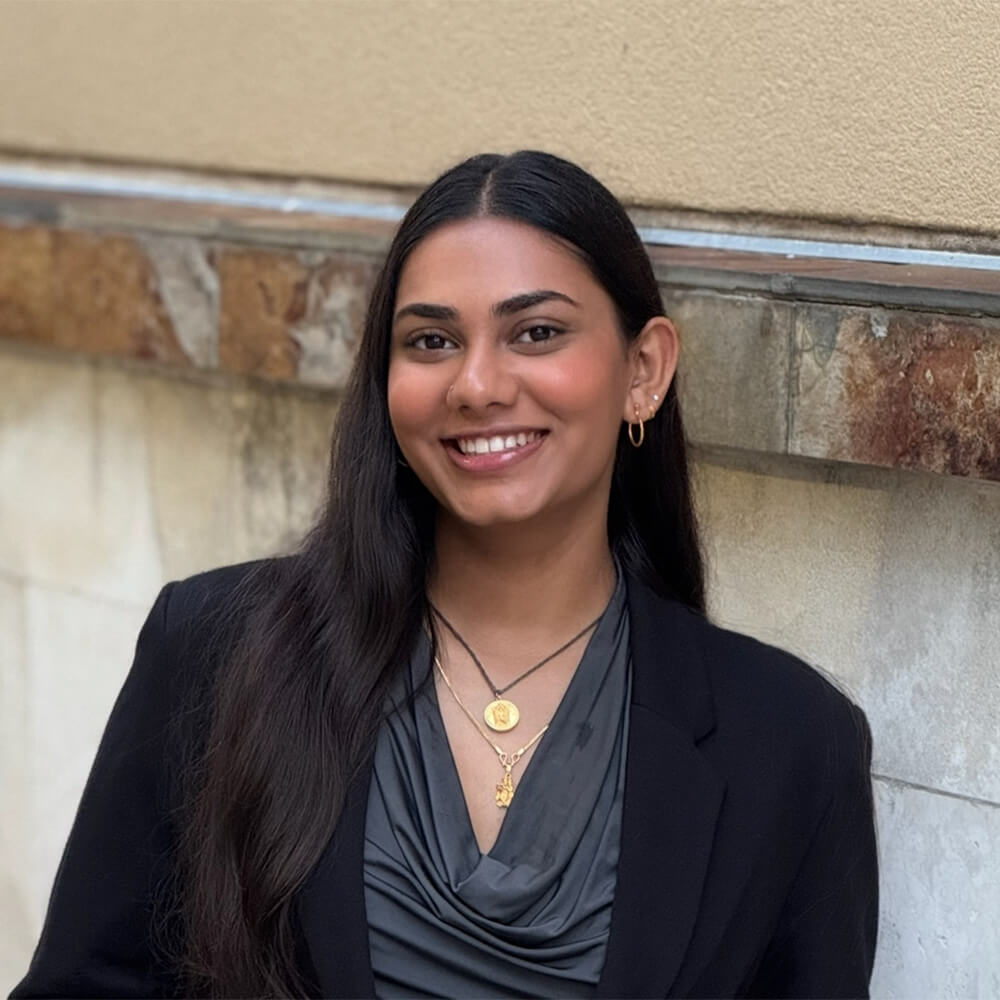
Surya is an undergraduate Public Health major from Houston, Texas. She joined the Moulton Lab in May 2025 and works with Christian in identifying genes important in neurodegenerative diseases, specifically rare coding variants associated with late-onset Alzheimer's disease. Surya plans on attending medical school in hopes of becoming a physician. In her free time, Surya enjoys watching movies, drawing, and spending time with loved ones.
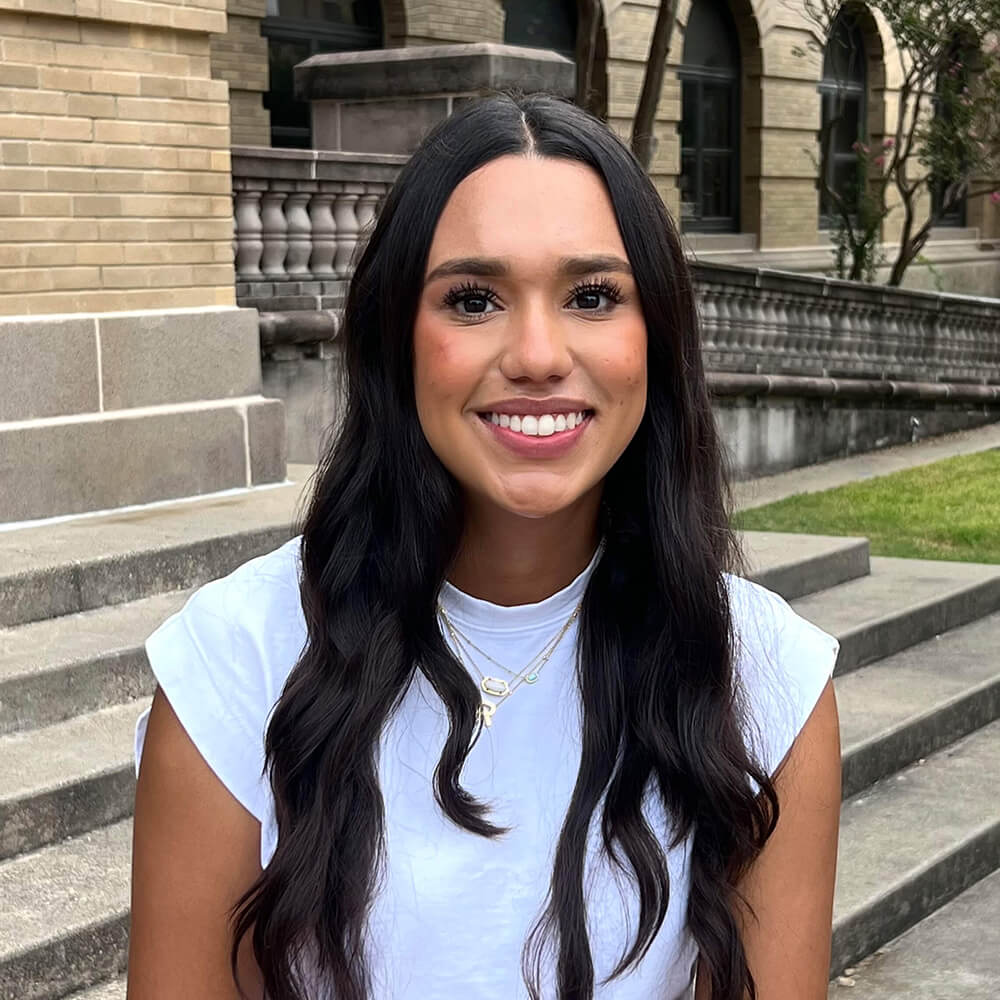
Renata Garcia is an undergraduate Biology major with a minor in Psychology and is from Monahans, Texas. She joined the lab in the fall of 2024, driven by her interest in the molecular mechanisms of neurological diseases and the genetic risk factors associated with neurodegenerative disorders. After graduation, Renata plans to attend Physician Assistant School, aspiring to become an Emergency Room Physician. In the lab, she is currently focused on assessing the effects of a deletion variant in an Alzheimer's disease risk gene. In her free time, Renata enjoys cooking, going to coffee shops, and spending quality time with friends and family.